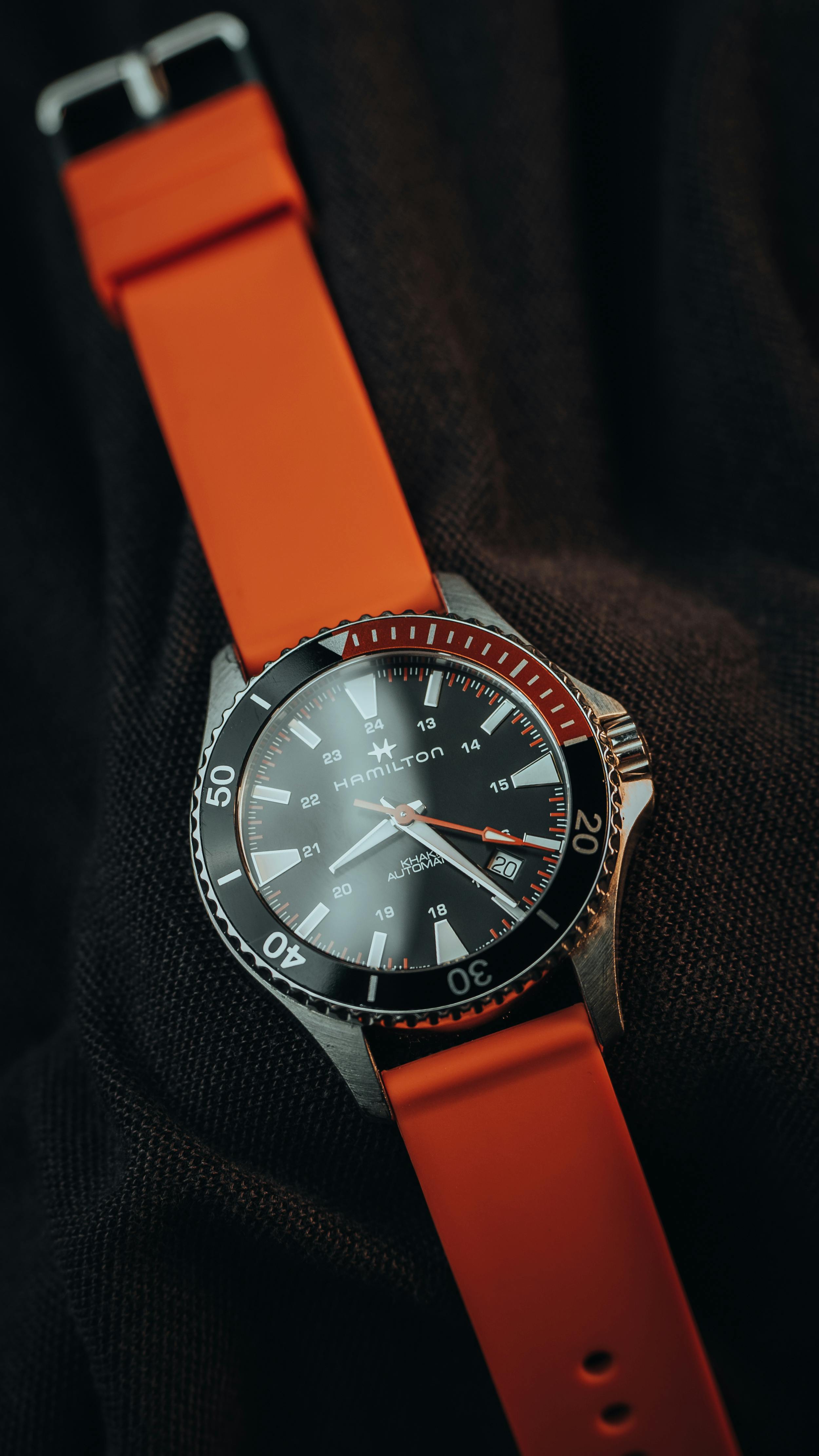
What is an Automatic Watch?
An automatic watch is a mechanical watch that powers itself using the movement of your wrist—no battery required.
Inside the watch is a system of gears, springs, and a rotating weight called a rotor. As your wrist moves, the rotor spins and winds the mainspring, which stores energy and releases it steadily to keep the watch running.
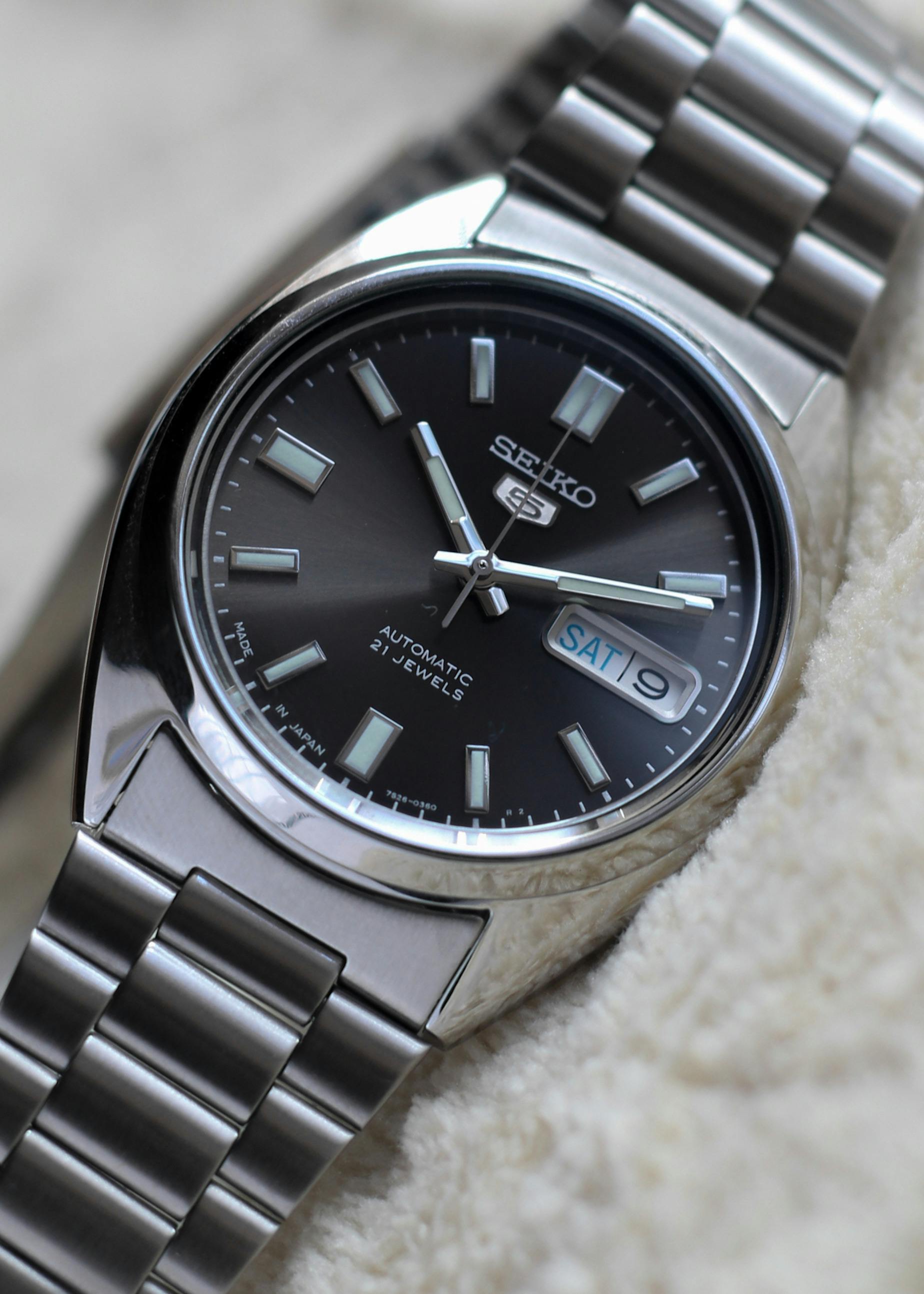
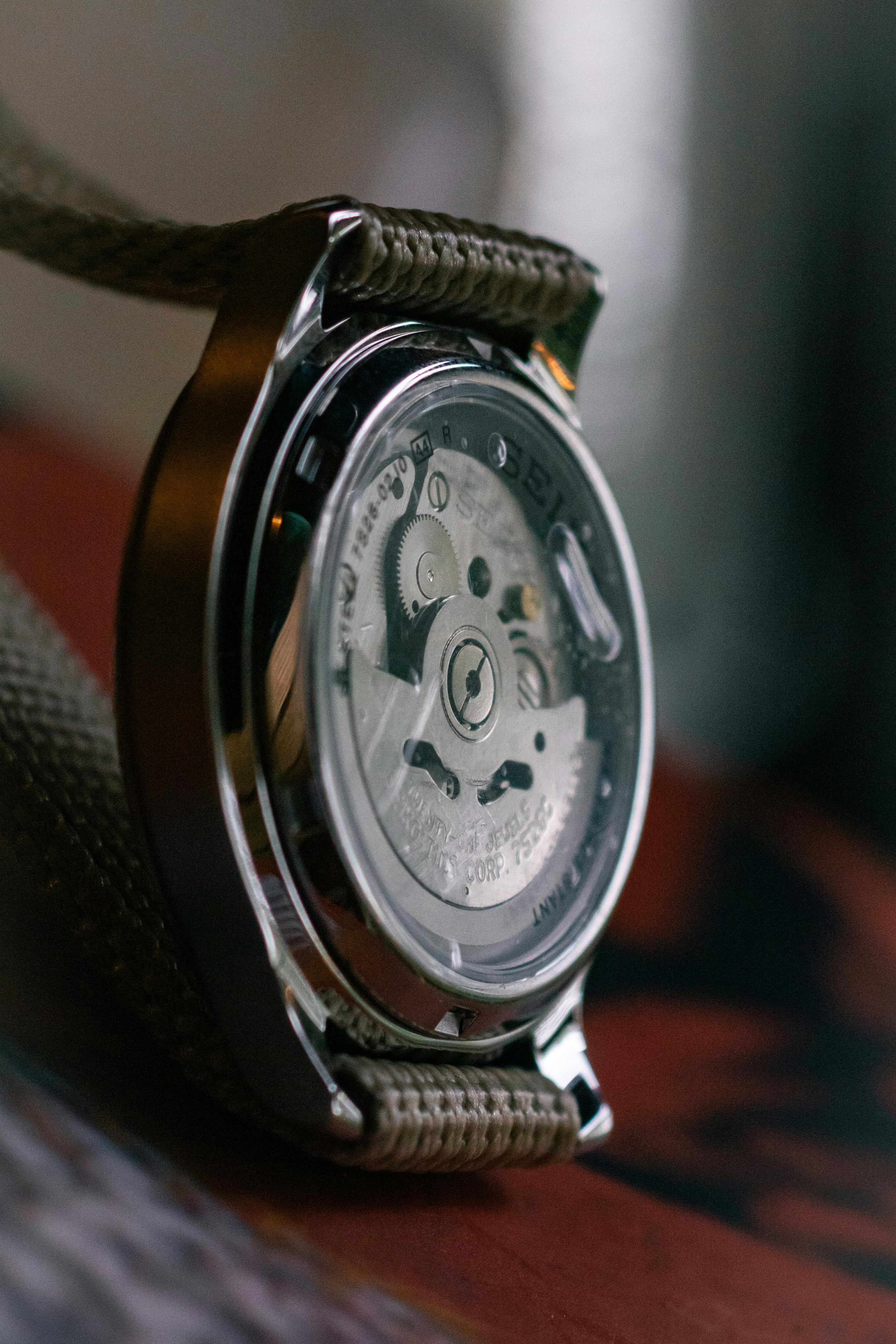
If you’re learning how automatic watches work, the key difference is simple—unlike quartz watches, which use a battery, automatic watches are fully mechanical and self-winding.
They are commonly chosen as a first step into watches because they combine functionality with mechanical design.
An automatic watch works by converting the movement of your wrist into stored energy that powers the watch.
Inside the case is a mechanical system known as an automatic watch movement, made up of gears, a mainspring, and a rotor. The rotor is a semi-circular weight that rotates as your wrist moves throughout the day.
As the rotor spins, it winds the mainspring, which stores energy. That energy is then released in a controlled way through the mechanical watch movement, driving the hands of the watch at a consistent rate.
This is the basic process behind how automatic watches work:
Wrist movement turns the rotor
Rotor winds the mainspring
Mainspring stores energy
Energy is released to power the watch
As long as the watch is worn regularly, it continues to wind itself and keep time without needing a battery.
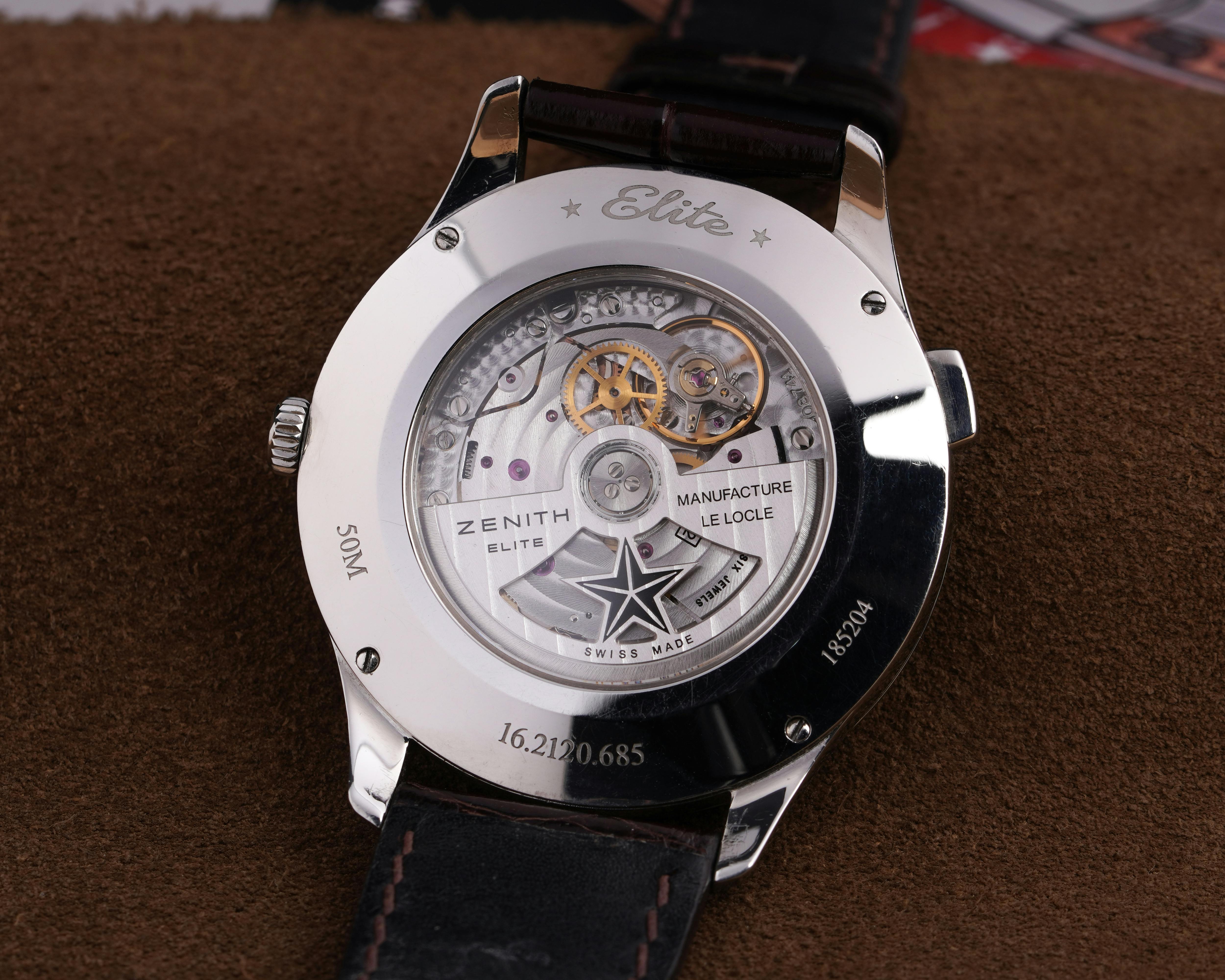
The main difference between an automatic watch and a quartz watch is how they are powered.
An automatic watch uses a mechanical system powered by wrist movement. A quartz watch uses a battery and an electronic movement.
Quartz
Power Source
Battery
Movement Type
Electronic
Seconds Hand
Ticking
Maintenance
Accuracy
More accurate
Automatic
Power Source
Self-winding
Movement Type
Seconds Hand
Smooth Sweep
Maintenance
Occasional Servicing
Accurate
Slightly less accurate
In an automatic vs quartz comparison, quartz watches are generally more accurate and require less maintenance. However, automatic watches are valued for their mechanical design, smooth movement, and the fact they operate without a battery.
This is why many people choose an automatic watch as their first step into mechanical watches, even though quartz is more convenient.
Yes—an automatic watch is widely considered a strong choice for beginners.
As a beginner automatic watch, it introduces you to how watches work without requiring advanced knowledge. You don’t need to manage complex features—just wear it regularly, and it will keep running.
For many people, a first automatic watch is the point where watches become more than just functional. You begin to understand the mechanics and develop a preference for certain styles.
However, there are a few practical points to be aware of:
Automatic watches may stop if not worn regularly
They may need occasional winding
They require servicing over time
Despite this, they are often seen as a good balance between simplicity and mechanical interest, which is why they are a common starting point.
For most beginners, the key is choosing a watch that is easy to wear, easy to read, and fits their style.
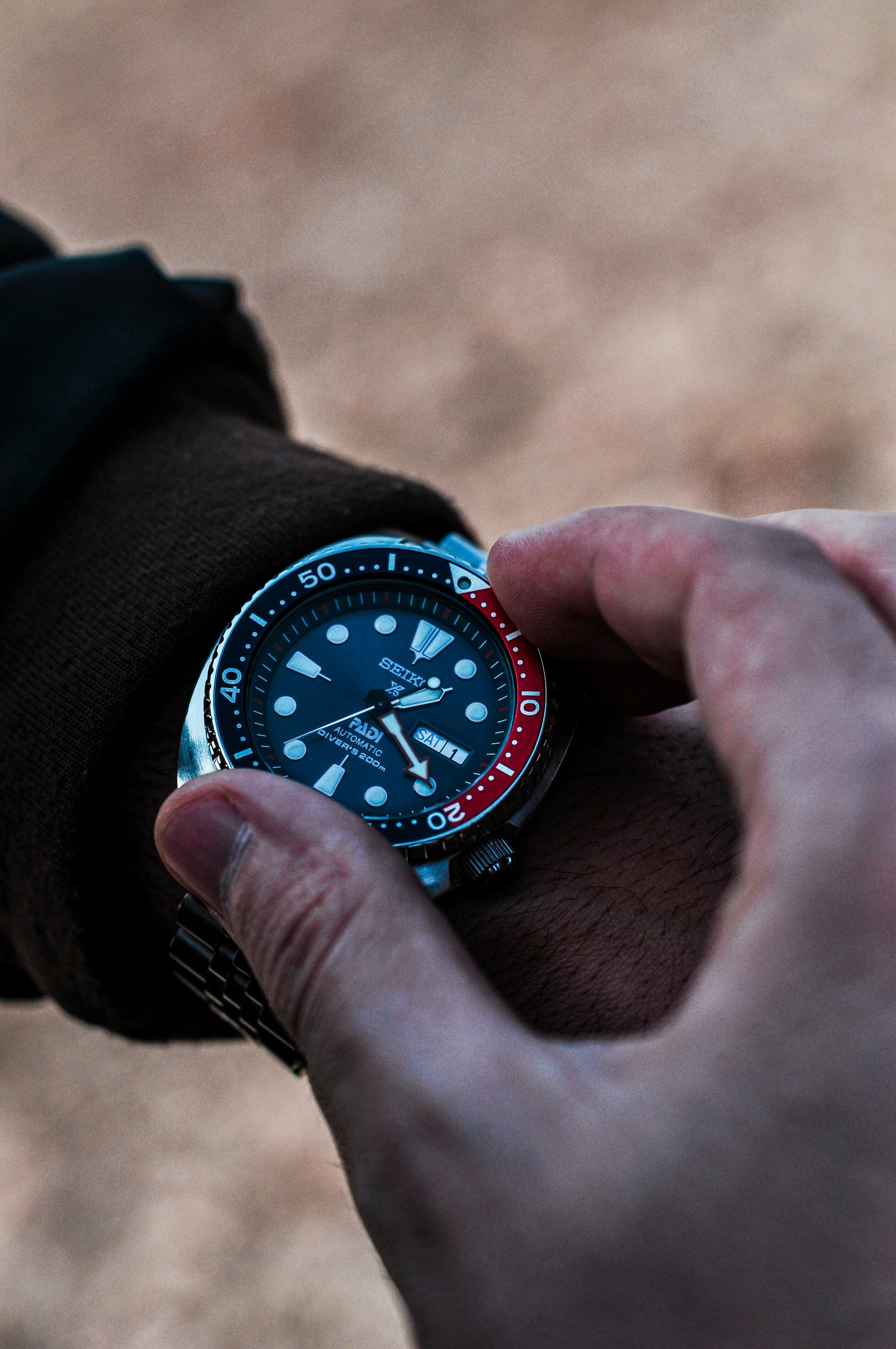
People choose automatic watches for reasons beyond basic timekeeping.
One of the main factors is the mechanical design. Unlike quartz watches, an automatic watch uses a fully mechanical watch movement, which many people find more interesting and engaging over time.
Another key benefit is that they do not require a battery. The watch is powered by movement, which removes the need for regular battery changes.
The way an automatic watch keeps time is also different. The seconds hand moves in a smooth, continuous motion rather than ticking once per second. This is often seen as a defining characteristic.
Common reasons people choose automatic watches include:
Mechanical construction rather than electronic
No battery required
Smooth seconds hand movement
Long-term durability with servicing
These factors contribute to the appeal of automatic watches, particularly for those looking for something beyond a standard quartz watch.
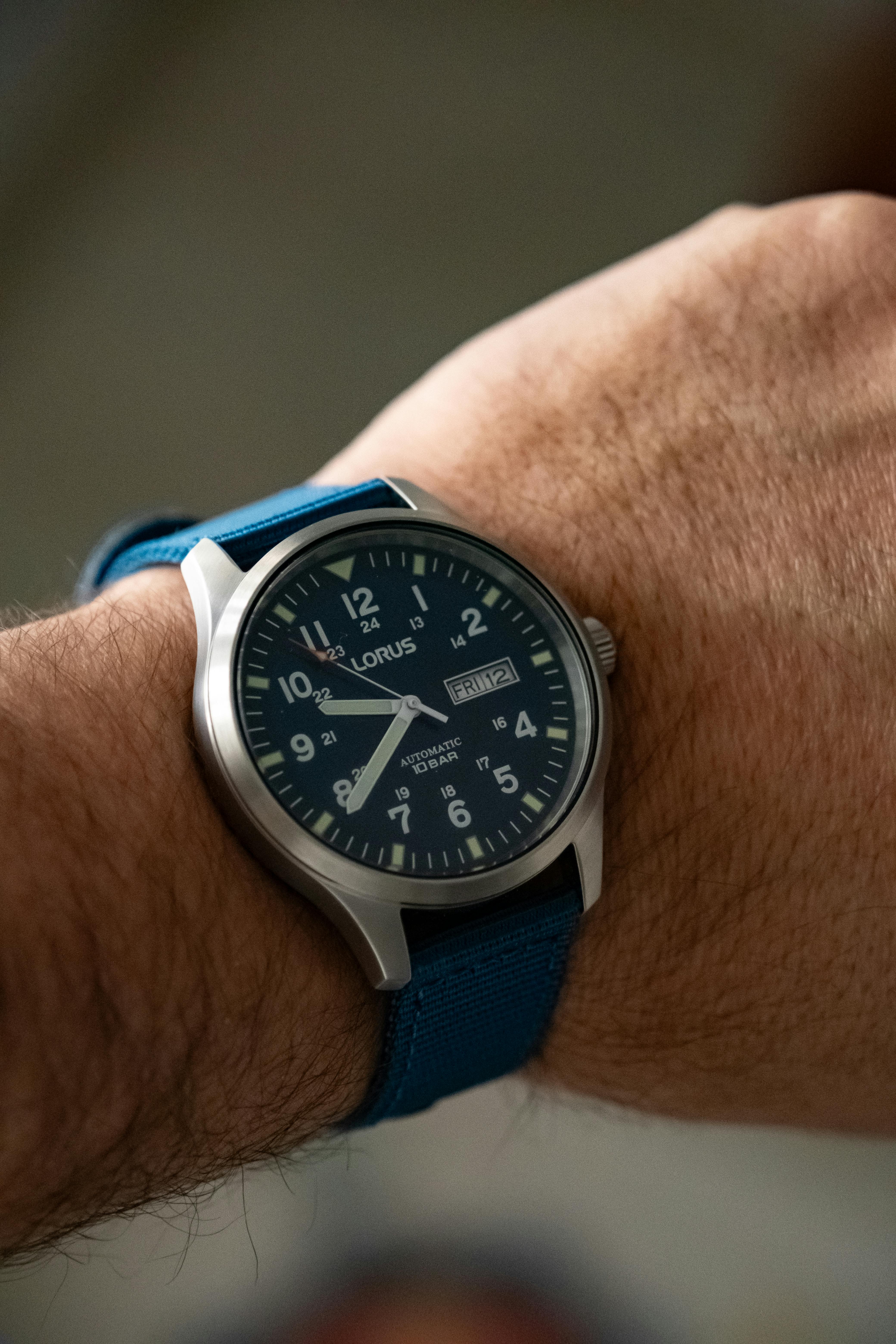
For a first automatic watch, the main advantage is that it introduces you to mechanical watchmaking in a simple, usable way. You don’t need prior knowledge—just regular wear to keep it running.
However, it’s important to understand the trade-offs:
It may stop if not worn regularly
It may require occasional manual winding
It will need servicing over time
If you prefer low maintenance and maximum accuracy, a quartz watch may be more suitable. If you are interested in how watches work and want something mechanical, an automatic watch is typically the better option.
Most people starting out look for a good first automatic watch that balances simplicity, reliability, and design.
👉 See our guide: Is Offbeat a Good First Automatic Watch?